Experience Glacier's Snowy Vistas: Essential Tips for a Christmas Getaway
Imagine a landscape hushed by fresh snow, towering peaks draped in white, and the crisp, clean air of the Montana wilderness filling your lungs. While most travelers flock to Glacier National Park during the vibrant summer months, a truly unique and serene experience awaits those who venture here during the holiday season. Visiting
Glacier National Park at Christmas time offers an unparalleled opportunity to escape the crowds, witness breathtaking winter beauty, and forge unforgettable memories. However, transforming this dream into a reality requires thoughtful preparation and a realistic understanding of what a winter visit entails.
Why Choose Glacier for Your Winter Holiday?
Opting for
Glacier National Park at Christmas time is a deliberate choice for tranquility and raw natural beauty. Unlike the bustling summer, when reservations for everything from lodges to trailheads can be fiercely competitive, winter offers a profound sense of solitude. You’ll often find yourself with vast, snow-covered vistas practically to yourself, a stark contrast to the summer throngs.
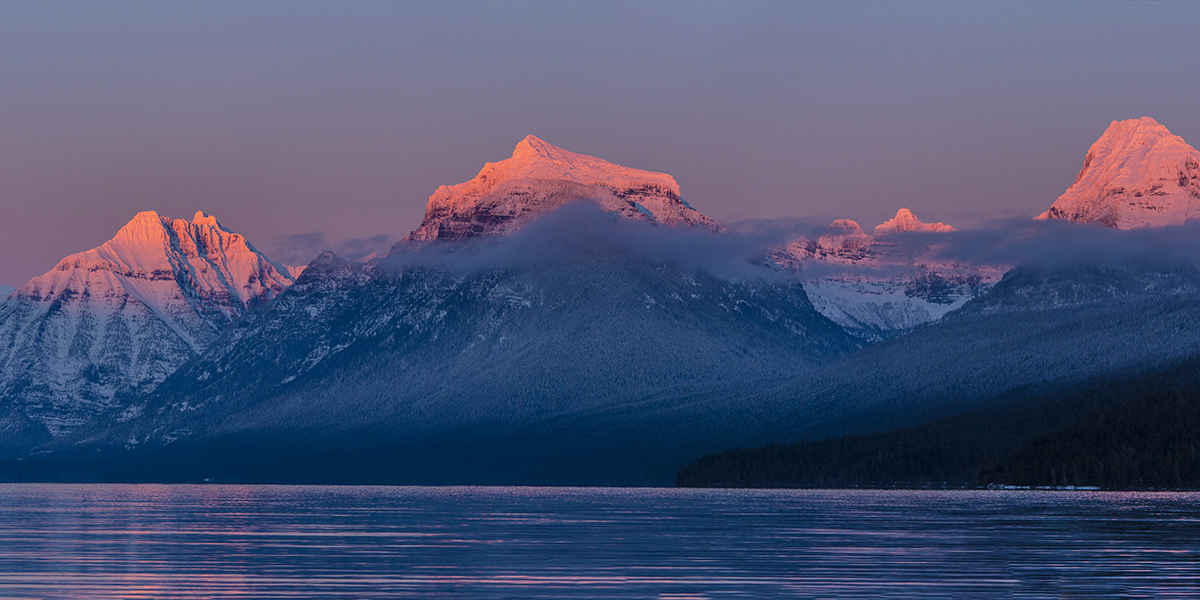
The park undergoes a magical transformation under a blanket of snow. Lake McDonald, a centerpiece of the park, becomes a frozen wonderland, its vibrant pebbles softened by ice, reflecting the crisp winter light. The iconic mountains, usually jagged and green, are now softened by deep snow, creating dramatic, postcard-perfect scenes. It's a photographer's paradise, where every turn reveals a new frosted masterpiece. Beyond the visual spectacle, the quietness of winter allows for a deeper connection with nature, making it an ideal escape for those seeking peace and introspection during the holiday season.
Navigating the Winter Wonderland: Access and Realistic Activities
While the allure of a snowy Glacier is undeniable, it's crucial to approach a winter trip with realistic expectations. Many of the park's services, roads, and facilities are closed for the season, necessitating careful planning. The good news is that accessing the park is still very possible, primarily through the West Entrance. This entrance remains open year-round, leading directly to the Apgar Village area.
Visitors will find the Apgar Visitor Center closed, but restrooms and an interpretive area are accessible, along with a station for filling water bottles. During weekdays, the West Glacier Headquarters building is also staffed, providing a valuable resource for current conditions and advice. The famed Going-to-the-Sun Road, while largely inaccessible to vehicles in winter, is typically plowed from the West Entrance up to Lake McDonald Lodge. Beyond this point, it transforms into a pristine, snow-covered pathway reserved exclusively for non-motorized recreation.
It's important to set realistic goals for activities. While you might see adventurous tales online of "skiing into Grinnell Glacier," such feats involve extreme backcountry expertise, significant winter backpacking gear, and an arduous 32-mile round trip, not to mention navigating challenging winter roads. For the vast majority of visitors, such endeavors are beyond the scope of a reasonable holiday trip. Instead, focus on genuinely "doable" activities that offer incredible beauty without undue risk. For a deeper dive into the most accessible and enjoyable activities, check out our guide on
Glacier National Park at Christmas: Your Guide to Doable Winter Fun.
Embracing Winter Adventures in Glacier
Despite the limited vehicle access,
Glacier National Park at Christmas time offers an abundance of invigorating outdoor activities perfectly suited for the winter landscape. The star attractions are undoubtedly snowshoeing and cross-country skiing. The plowed section of Going-to-the-Sun Road leading to Lake McDonald Lodge, and the road beyond it, become prime routes for these activities. Imagine gliding through silent forests, with only the crunch of snow underfoot and the occasional call of a winter bird breaking the stillness. These trails offer stunning views of Lake McDonald and the surrounding peaks, providing a truly immersive experience.
Winter hiking is another possibility, especially during periods of milder weather or on compacted trails. Always wear appropriate footwear with good traction, and consider microspikes for icy patches. Beyond structured activities, simply taking the time to admire the scenery can be an adventure in itself. Pack a thermos of hot cocoa, find a scenic overlook, and soak in the frosty views. Winter also presents unique wildlife spotting opportunities, as animals like deer, elk, and even mountain goats are often more visible against the white backdrop. Keep your camera ready, as the crisp light and snow-dusted surroundings create spectacular photographic conditions.
Essential Planning for Your Snowy Escape
A successful winter trip to Glacier hinges on meticulous planning. Spontaneous travel, while charming in summer, can lead to serious trouble in the cold, remote conditions of a Montana winter.
1.
Lodging Reservations are Paramount: With the exception of a very few private rentals, all Glacier National Park lodges and most accommodations within West Glacier close down for the winter. You'll need to secure lodging in nearby gateway towns like Columbia Falls, Kalispell, or the popular ski resort town of Whitefish. These towns offer a range of hotels, motels, and vacation rentals.
Make your reservations well in advance, especially if traveling over the Christmas holidays, as options can fill up quickly. For a comprehensive overview of what’s open and where to stay, our article on
Planning a Glacier Winter Trip: What's Open, What's Not, and Where to Stay provides invaluable details.
2.
Winter Driving Preparedness: Montana weather is notoriously changeable, and road conditions in and around Glacier can shift rapidly. Your vehicle must be equipped for winter driving. This means good winter tires (studded tires are often recommended), and potentially tire chains, which are sometimes required on mountain passes. Always carry a winter driving kit, including emergency blankets, extra food and water, a shovel, jumper cables, and a first-aid kit. Prioritize checking road conditions frequently through official park websites and state DOT resources before and during your trip.
3.
Layer Up! (Packing Essentials): Dressing in layers is key to staying comfortable and safe in cold weather. Pack waterproof and windproof outer layers, insulated pants and jackets, thermal base layers, warm hats, gloves or mittens, and waterproof, insulated boots. Hand warmers and toe warmers can also be lifesavers.
4.
Safety First in the Wilderness: The winter wilderness, while beautiful, demands respect. Inform someone of your plans, including your route and expected return time, even for short excursions. Be aware of avalanche risks, especially if venturing off established, plowed paths – consult with rangers for current conditions. Carry a map, compass or GPS, and plenty of water. Keep an eye on the time, as daylight hours are much shorter in winter.
Conclusion
Visiting
Glacier National Park at Christmas time is an adventure unlike any other. It promises a serene, crowd-free experience of one of America's most stunning landscapes, transformed by the magic of winter. From the silent, snow-laden forests perfect for snowshoeing to the breathtaking views of a frozen Lake McDonald, the rewards for the prepared traveler are immense. While it requires more planning than a summer trip, the opportunity to witness Glacier's majestic beauty in such a unique and intimate setting makes it an unforgettable holiday destination. Embrace the quiet, plan meticulously, and prepare to be captivated by the frosty splendor of Glacier National Park.